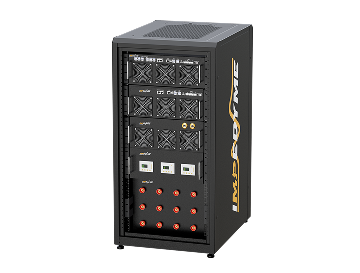
Motoremulator für die Drohnenentwicklung: Impedymes hochpräzise Combined-HIL-and-Power-Lösung (CHP)
Entwickelt für die Prüfung von UAV-Antrieben – mit Echtzeit-Motoremulation, Hardware-in-the-Loop-Genauigkeit und sicherer Fehlerinjektion für die moderne Drohnenentwicklung.
Echtzeit-Emulationstests
Schleifenlatenz unter 1 µs
Hardware-in-the-Loop
Genauigkeit im geschlossenen Regelkreis
Sichere Fehlerinjektion
Keine Hardware gefährdet
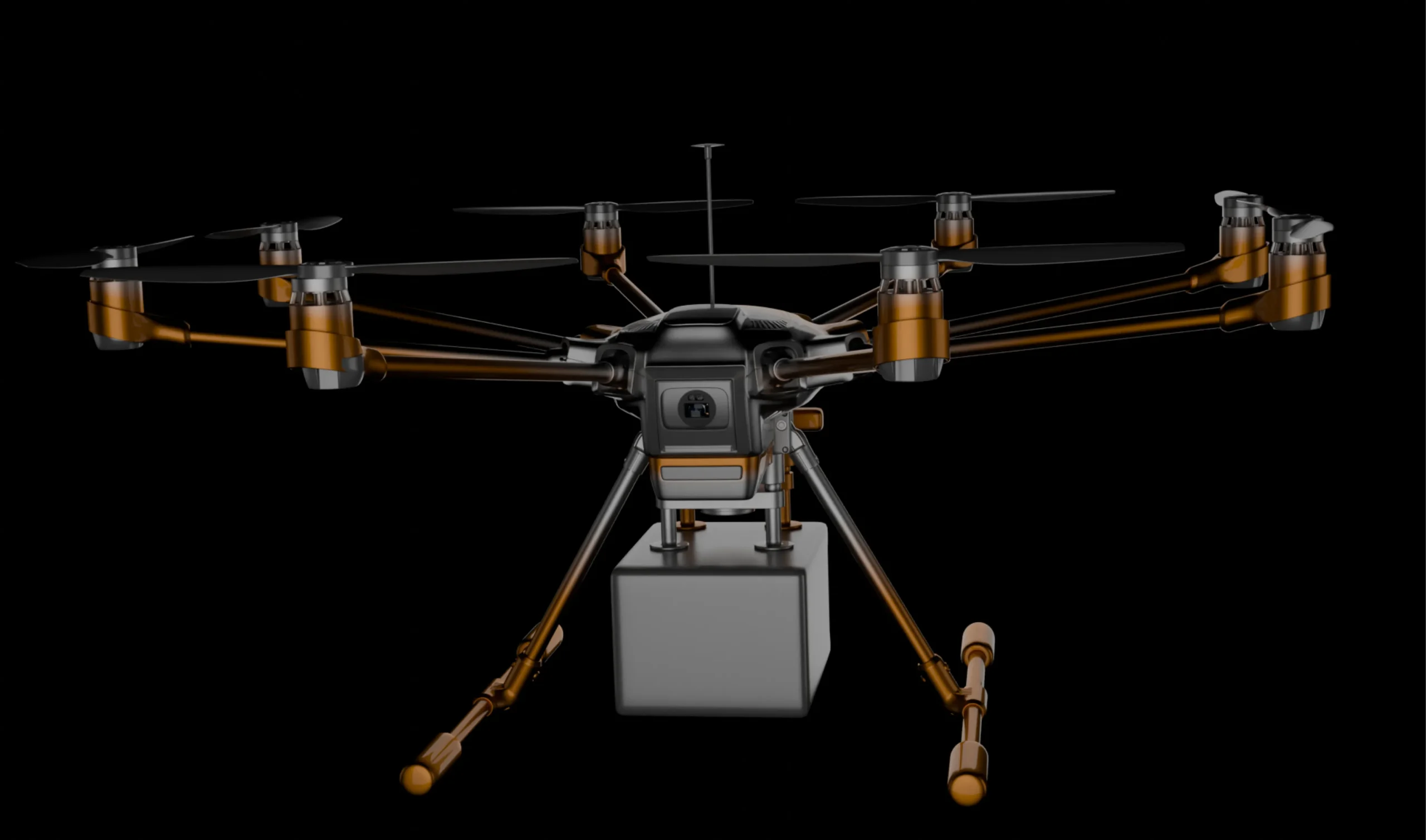
Drohnen (UAVs) sind zunehmend komplexe Systeme, die Aerodynamik, Regelalgorithmen und leistungsstarke elektrische Antriebe vereinen. Der Antrieb jeder Drohne nutzt bürstenlose Elektromotoren und Wechselrichter, die vor dem Flug validiert werden müssen. Sich beim Testen auf echte Motoren und Propeller zu verlassen, hat erhebliche Nachteile: Es erfordert sperrige Prüfstände oder Dynamometer, verursacht mechanischen Verschleiß und kann Fehler- oder Extrembedingungen nicht sicher untersuchen. Wie Impedyme erläutert, „bilden traditionelle Aufbauten (passive R-L-Lasten oder mechanische Dynamometer) reale aktive Leistungsbedingungen nicht nach“ und „können keine Leistung an die DC-Seite des Wechselrichters zurückspeisen“. Mit anderen Worten: Es gehen die rückgespeiste Energie und die Genauigkeit verloren, die nötig sind, um Flugregler und ESCs unter den tatsächlich im Flug auftretenden Lasten zu testen.
Ein Hardware-Motoremulator überwindet diese Probleme. Er ersetzt elektrisch den physischen Motor, indem er ein Echtzeitmodell der Motordynamik ausführt. Dadurch können Ingenieure präzise Drehmoment-/Drehzahlprofile einspeisen, Fehler aufbringen oder einen Wechselrichter an seine Grenzen bringen – ohne mechanische Hardware. Für Drohnen bedeutet dies, dass sich Stabilitätsalgorithmen von Multikoptern, Schubverhalten oder Notfallverhalten sicher im Labor testen lassen. In der Praxis kann ein Motoremulator in einen Power-Hardware-in-the-Loop (PHIL) Prüfstand integriert werden: Der tatsächliche Wechselrichter/ESC und der Flugregler der Drohne (der Prüfling, DUT) werden mit dem Emulator verbunden, der den Motor nachbildet, während ein Batterieemulator die DC-Leistung bereitstellt. Alle Elemente laufen synchron. Dieser Ansatz beschleunigt die Entwicklung und erhöht die Sicherheit: Ingenieure können Steuerungs-Firmware und Motorleistung überprüfen, ohne teure Propeller oder körperliche Unversehrtheit zu riskieren.
Impedymes Motoremulator ist speziell für diese Aufgabe konzipiert. Er ist Teil ihrer Combined-HIL-and-Power-HIL-Plattform (CHP). In den folgenden Abschnitten stellen wir Impedymes technische Merkmale, die unterstützten Motortypen, die Integrationsschritte für Drohnentests sowie die Abgrenzung gegenüber anderen „Drohnensimulations“-Lösungen im Detail vor.
Impedyme Motoremulator-Plattform: Architektur und technische Daten
Impedymes Motoremulator (IME) ist ein vollständig elektrisches, FPGA-basiertes System, das das Verhalten realer elektrischer Maschinen in Echtzeit nachbildet. Statt sich auf ein physisches Dynamometer oder einen drehenden Motor zu stützen, emuliert es elektrisch genau das, was ein Regler zu sehen erwartet – und schließt den Regelkreis mit Serien-Wechselrichterhardware bei voller Leistung und Bandbreite.
Das Ergebnis ist eine hochpräzise Echtzeitemulation elektrischer Maschinen , die hochfrequente Effekte erfasst, die den meisten Emulatoren entgehen – magnetische Sättigung, Rastmoment-Oberschwingungen und Schaltrippel. Von kleinen Außenläufer-BLDCs bis zu schnelldrehenden PM-Motoren ermöglicht IME es Teams, Motorantriebssysteme über den gesamten Betriebsbereich hinweg zu entwickeln, zu validieren und Belastungstests zu unterziehen – einschließlich Bereichen jenseits typischer EV-Traktionsantriebe.
1
Das FPGA-Motormodell wird alle 90 ns (~11,1 MHz) aktualisiert – Hunderte bis über tausend Aktualisierungen pro elektrischer Periode, wodurch Sättigung, Rastmoment-Oberschwingungen und Schaltrippel erfasst werden.
2
Ein Multilevel-Wechselrichter und ein Präzisionskopplungsnetzwerk unterstützen bis zu 100 V DC-Zwischenkreis und 80 A Phasenstrom bei einer Schaltfrequenz von 100 kHz für sehr geringen Ausgangsrippel.
3
MotorSim Studio modelliert PMSM-, ASM-, BLDC- und IPM-Maschinen – erweiterbar und direkt aus CAD-Flusskennfeldern, Induktivitätskurven und Datenblättern parametriert.
4
Bildet Hochgeschwindigkeits-BLDC- und PM-Signalverläufe getreu nach, ohne die Signale des Reglers zu beschneiden, und ermöglicht so präzise Tests fortschrittlicher, schnelldrehender Antriebe.
Vorteile der Drohnen-Motoremulation
Der Einsatz eines Motoremulations-Aufbaus für Drohnen bietet mehrere praktische Vorteile. Er verkürzt Entwicklungszyklen, senkt das Hardwarerisiko und macht Tests über Labore und Teams hinweg wiederholbar. Zudem hilft er Teams, die Reglerleistung vor dem Flug zu validieren – besonders wertvoll bei engen Terminen oder teuren Prototypen.

Schnellere Validierung

Sichereres Testen

Wiederholbare Fehlerinjektion

Tiefere Einblicke

Geringerer Prototypenverschleiß

Konsistent über Teams hinweg
Anwendungsbeispiel: Validierung eines Drohnen-Motorreglers
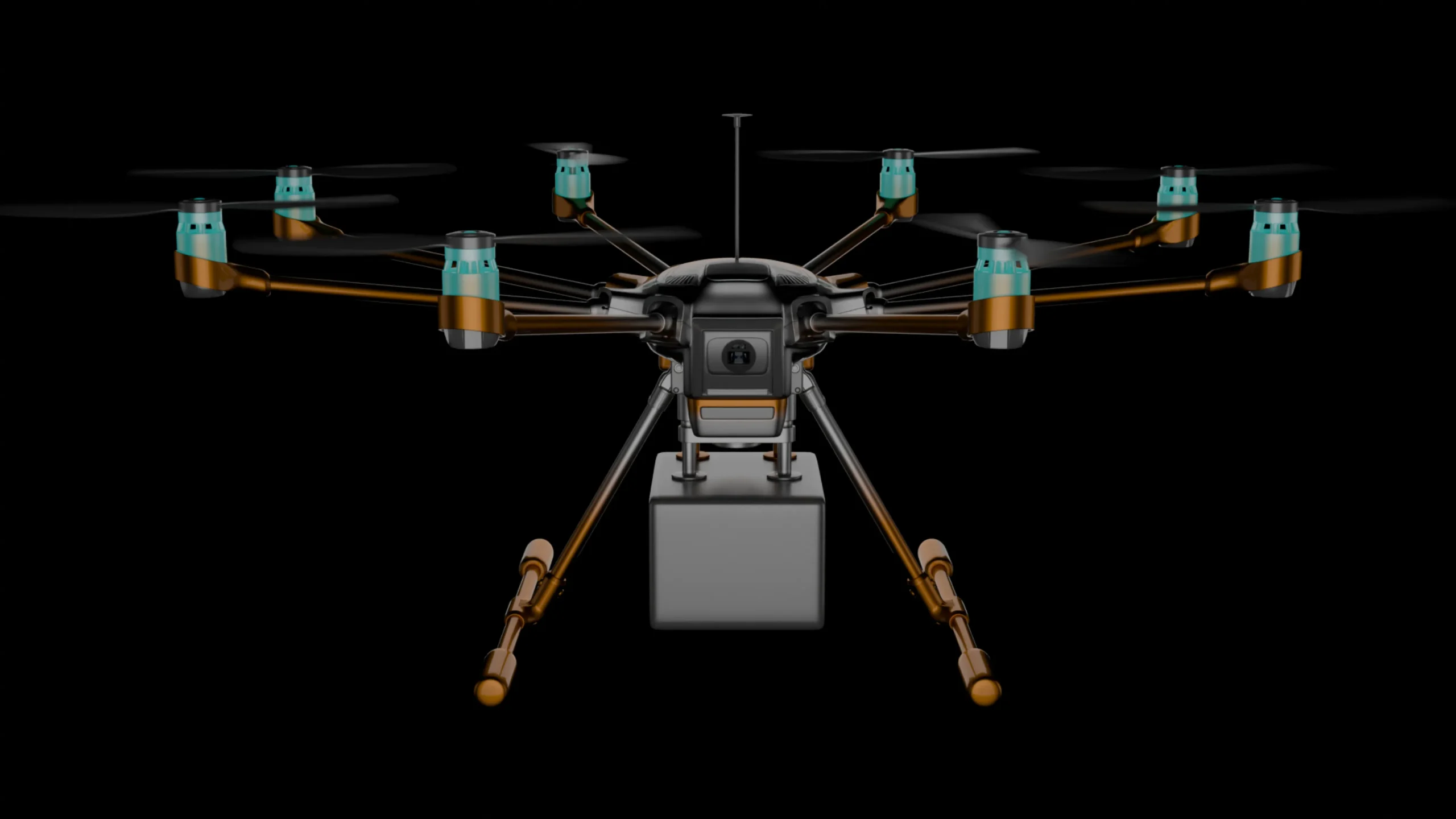
Betrachten Sie als konkretes Beispiel ein F&E-Team, das die Motorregler-Firmware eines neuen Quadrocopters entwickelt. Es muss validieren, dass jeder ESC korrekt auf Befehle reagiert und dass Fehlerfälle (z. B. Phasenausfall) sauber gehandhabt werden. Mit dem System von Impedyme würde es alle vier ESC-Ausgänge mit einem mehrkanaligen Motoremulator verbinden. Der Emulator führt vier parallele BLDC-Modelle aus (eines pro Motor). Der Batterieemulator versorgt jeden ESC. Anschließend kann das Team automatisierte Testsequenzen fahren: z. B. Motoren auf 6000 U/min hochdrehen, auf einem Kanal einen Motorstillstand simulieren, Spannungseinbrüche einspeisen und die Ergebnisse messen. Die vom Regler protokollierte Telemetrie (Gasausgänge, Fehlermarkierungen) wird mit den momentanen Motordrehmomenten und Gegen-EMKs des Emulators korreliert. Probleme lassen sich detailliert diagnostizieren, da jede Variable im Regelkreis beobachtbar und wiederholbar ist – etwas, das mit drehenden Propellern unmöglich ist.
Die physikalischen Realitäten des Drohnenantriebs: Warum Hardwaretests einen Drohnen-Motoremulator erfordern
Die Validierung von UAV-Antriebssystemen erfordert das Ausbalancieren von elektrischem Wirkungsgrad, Wärmemanagement und dynamischer Regelkreisstabilität. Der ESC muss Hochspannungs-Gleichstrom präzise in dreiphasige Wechselströme schalten, um den BLDC-Motor anzutreiben. Bei Schwerlast- oder aggressiven Flugmanövern werden diese Komponenten immer wieder an ihre physikalischen Grenzen getrieben.
Hochfrequente sensorlose feldorientierte Regelung (FOC)
Während frühere ESCs auf sechsstufiger Blockkommutierung beruhten, nutzen moderne hocheffiziente Drohnen die sinusförmige feldorientierter Regelung (FOC). FOC minimiert Drehmomentwelligkeit und Geräuschsignatur und maximiert zugleich die Akkulaufzeit, erfordert jedoch eine hochgenaue Echtzeit-Nachführung des magnetischen Rotorwinkels.
Während frühere ESCs auf sechsstufiger Blockkommutierung beruhten, nutzen moderne hocheffiziente Drohnen die sinusförmige feldorientierte Regelung (FOC). FOC minimiert Drehmomentwelligkeit und Geräuschsignatur und maximiert zugleich die Akkulaufzeit, erfordert jedoch eine hochgenaue Echtzeit-Nachführung des magnetischen Rotorwinkels.
Niedrige Induktivität und hohe PWM-Schaltfrequenzen
Leistungsstarke Drohnenmotoren weisen eine niedrige Statorinduktivität auf, was extrem hohe PWM-Schaltfrequenzen– typischerweise zwischen 30 kHz und 60 kHz – erfordert, um den Stromrippel zu minimieren. Diese hohen Frequenzen machen den ESC anfällig für elektromagnetische Störungen (EMI) und schnelle Wärmeansammlung.
Die Optimierung der Totzeit der Halbbrücken-MOSFETs und die Validierung der Anstiegsratensteuerung zur Vermeidung von Brückenkurzschlussströmen erfordern hochpräzise elektrische Messungen mit großer Bandbreite. Diese Messungen lassen sich nicht zuverlässig durchführen, während physische Motoren drehen, da diese erhebliche mechanische Vibrationen und Umgebungsstörungen erzeugen.
über
In industriellen UAV-Konfigurationen sind ESCs häufig in geschlossenen, beengten Fächern mit begrenztem Luftstrom verbaut. Ein dauerhafter Betrieb mit hoher Last verschlechtert im Laufe der Zeit die internen MOSFETs und Kondensatoren, was zu einer allmählichen Hardwaredegradation führt.
Unter starker Belastung kann ein ESC die Synchronisation verlieren, was zu plötzlichem „Zucken“ des Motors, Auftriebsverlust oder katastrophalem thermischem Durchgehen führt. Diese thermisch-elektrischen Belastungsprofile auf einem physischen Prüfstand mit echten Motoren nachzustellen, ist äußerst gefährlich und teuer, da Ausfälle oft den ESC und den geprüften Motor zerstören.
| Physische ESC-Komponente | Typische Testherausforderung auf dem physischen Prüfstand | Risiko des physischen Testens | Emulationslösung |
|---|---|---|---|
| MOSFET-Leistungsstufe | Messung von Schaltverlusten und thermischen Grenzen bei 60 kHz PWM. | Direkte Kurzschlüsse können den gesamten ESC und Motor zerstören. | Aktive, nicht rotierende Last emuliert das elektrische Schaltverhalten. |
| Sensorloser Schätzer | Überprüfung der Rotorlageschätzung bei plötzlichen Laständerungen. | Ein Synchronisationsverlust kann zu Motorstillstand und Schäden am Prüfstand führen. | Dynamische Gegen-EMK-Modellierung im Submikrosekundenbereich auf Echtzeit-FPGAs. |
| Phasenverdrahtung & Steckverbinder | Diagnose intermittierender kalter Lötstellen oder Kabelalterung. | Unvorhersehbare physische Ausfälle erschweren die Wiederholbarkeit der Diagnose. | Softwaregesteuerte, programmierbare Fehlerinjektion von Phasenausfall und Kurzschlüssen. |
| DC-Zwischenkreiskondensator | Messung des Spannungsrippels bei schneller Motorbeschleunigung. | Überspannungsspitzen können den Akku und die Stromversorgung beschädigen. | 4-Quadranten-Wirkleistungsrückführung nimmt Energie auf und speist sie zurück. |
DroneSim Studio: Das Software-Simulationswerkzeug als Ergänzung zum Motoremulator
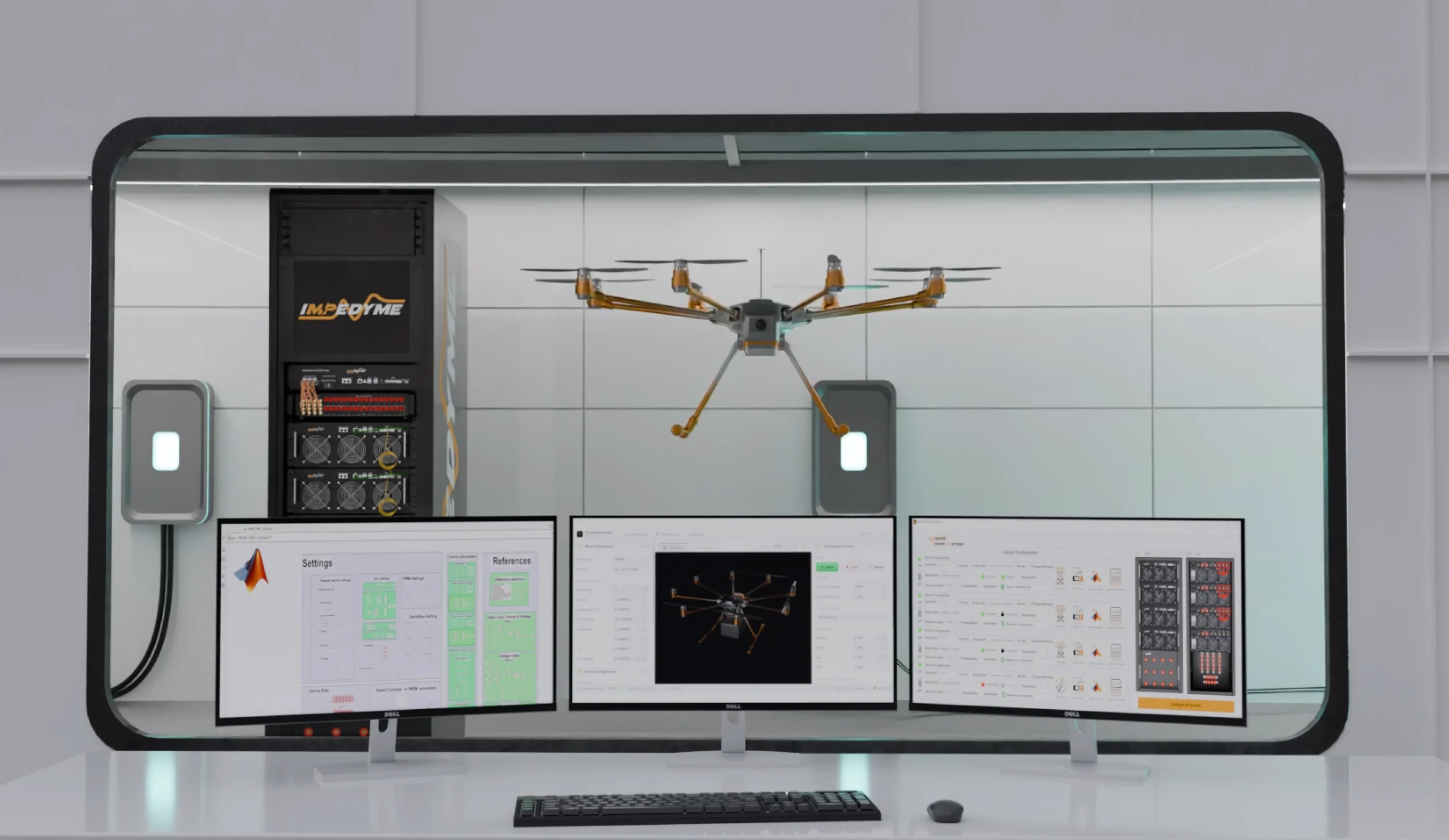
Die Entwurfs- und Authoring-Umgebung, die den hochpräzisen Hardware-Prüfstand nachgelagert speist. Stimmen Sie das Modell ab, dimensionieren Sie die Flugzelle, charakterisieren Sie den Propeller und bestätigen Sie, dass Ihre Regelungslogik fliegt – ohne jedes Risiko und mit schnellen Iterationen.
Motormodellierung
Konfigurieren Sie PMSM- und andere Motormodelle mit detaillierten elektrischen und mechanischen Parametern – und bilden Sie das Antriebsverhalten präzise nach, bevor die Hardwaretests beginnen.
Flugzellendynamik
Definieren Sie Masse, Trägheit, Auslegergeometrie und Propellereigenschaften, um realistische Drohnenbewegung, Stabilität und Flugleistung zu simulieren.
Echtzeit-Visualisierung
Überwachen Sie Höhe, Geschwindigkeit, Rotordrehzahl, Schub und Fluglage in einer Live-3D-Umgebung – und visualisieren Sie die Auswirkung jeder Parameteränderung sofort.
Hardwarebereite Validierung
Geben Sie validierte Motormodelle direkt an den Motoremulator weiter und ermöglichen Sie so einen nahtlosen Übergang von der Softwaresimulation zum Hardware-in-the-Loop-Test.
Impedyme Motoremulator beim Drohnentest
1
Validierung des Antriebssystems
Multikopter-Antriebs- und Tiltrotor-Stabilitätstests – Autopilot-Reaktion auf Motorausfälle, Algorithmen für koordinierten Flug, Effizienz bei Geschwindigkeit, alles ohne drehende Propeller.
2
Galvanische Trennung
Verbinden Sie ESCs mit dem Emulator, der ein Modell aus Motoren + Propellern ausführt. Erfassen Sie Schub gegenüber Geschwindigkeit und analysieren Sie die Effizienz unter kontrollierten Variationen von Luftdichte und Luftwiderstand.
3
Szenarien zur Fehlerinjektion
Simulieren Sie einen plötzlichen Stillstand oder Kurzschluss oder führen Sie eine Asymmetrie ein, um zu beobachten, wie der Flugregler ausgleicht – rein elektrisch, sodass selbst zerstörerische Fehler ungefährlich sind.
4
Regelungs-HIL im geschlossenen Regelkreis
Führen Sie PX4- oder ArduPilot-Firmware auf der Impedyme HIL/RCP-Box
aus, während der Emulator die Echtzeit-Motorreaktion liefert – und überprüfen Sie komplexe Regelgesetze in einer hardwareähnlichen Umgebung.
5
Umweltbelastung
Emulieren Sie Temperatur- oder Versorgungsschwankungen über MotorSim oder den Batterieemulator um die Robustheit der Regelung gegenüber nicht idealen Bedingungen zu testen.
6
Über den Antrieb hinaus
Tiltrotor-Rotor- und Pusher-Kanäle werden unabhängig emuliert; bürstenlos angetriebene Kippmechanismen und Gimbals werden für die Stabilität simuliert. Anwendbar auf jeden UAV-Motorantrieb.
Drohnen-Motorregler mit Power-Hardware-in-the-Loop (PHIL) testen
Power-Hardware-in-the-Loop-Tests (PHIL) ermöglichen es Ingenieuren, den elektronischen Drehzahlregler (ESC) einer Drohne sicher zu validieren, ohne einen echten Propeller zu drehen. Der ESC wird mit einem Motoremulator verbunden, der ihm vorgaukelt, dass er fliegt: Ein Pixhawk-Autopilot sendet Drehzahlbefehle, das Impedyme CHP 150 Power Cabinet nimmt Leistung wie ein echter Motor auf, und die Impedyme HIL/RCP-Box löst jede Mikrosekunde die motorphysikalischen Gleichungen, um ihn anzusteuern – alles überwacht von einer Control-Studio-Workstation, an der Ingenieure Fehler auslösen können, um Sicherheitsfunktionen zu testen.
Einschalten & Starten des Motors
Der Autopilot wird mit simulierten Flugdaten gespeist, sodass er annimmt, die Drohne befinde sich in der Luft.
Er berechnet, wie schnell sich die Motoren drehen müssen, und sendet diesen Befehl an den ESC.
Der ESC gibt Leistung ab; das Cabinet misst sie, und das Echtzeit-„Gehirn“ berechnet augenblicklich, wie ein echter Motor reagieren würde – ein perfekter Regelkreis.
Simulation von starkem Wind & Beschleunigung
Der Autopilot befiehlt einen plötzlichen Gasstoß, um einen schnellen Steigflug zu simulieren.
Der Simulator berechnet augenblicklich den starken Propellerwiderstand, den eine echte Drohne erfahren würde.
Ingenieure beobachten Live-Diagramme, um sicherzustellen, dass der ESC die Leistungsspitze bewältigt, ohne zu überhitzen oder abzuschalten.
Bremsenergie einfangen & wiederverwenden
Wenn eine Drohne schnell abbremst, werden die Motoren zu Generatoren und speisen Strom rückwärts in das System.
Statt diese in gefährliche Wärme umzuwandeln, führt der Emulator die Energie sicher zur Hauptstromquelle zurück.
Ingenieure können aggressive Bremsalgorithmen mit vollständiger 4-Quadranten-Rückführung sicher testen.
Simulation gebrochener Leitungen – Fehlerinjektion
Per Software trennen Ingenieure augenblicklich die Leistung einer Motorphase; der Emulator setzt sie auf null.
Das interne „Gehirn“ des ESC muss den Fehler erkennen und innerhalb von Millisekunden abschalten.
Da alles vollständig simuliert ist, besteht kein Risiko, dass Hardware explodiert, falls der Test fehlschlägt.
Anwendungsfälle für Drohnen-Teams
Eine Motoremulator-Lösung unterstützt die Drohnenentwicklung vom Konzeptentwurf bis zur Hardwareverifizierung mit weniger Überraschungen und ist besonders wertvoll für Teams, die in großem Maßstab oder unter wiederholten Fehlerbedingungen testen. Typische Anwendungsfälle sind:
ESC-Validierung & -Abstimmung
Test der BLDC-Motorregelung
Fehlertests am Drohnen-Antriebsstrang
Entwicklung von Regleralgorithmen
Laborbasierte Regressionstests
Verifizierung der Leistungselektronik
Häufig gestellte Fragen
Bereit, Ihre Drohnen-Motortests zu transformieren?
Schließen Sie sich führenden UAV-Herstellern, Luft- und Raumfahrtingenieuren und Forschungseinrichtungen an, die Impedymes Echtzeit-Motoremulationsplattform für sichere, präzise und effiziente Drohnenantriebstests nutzen.
Produkte