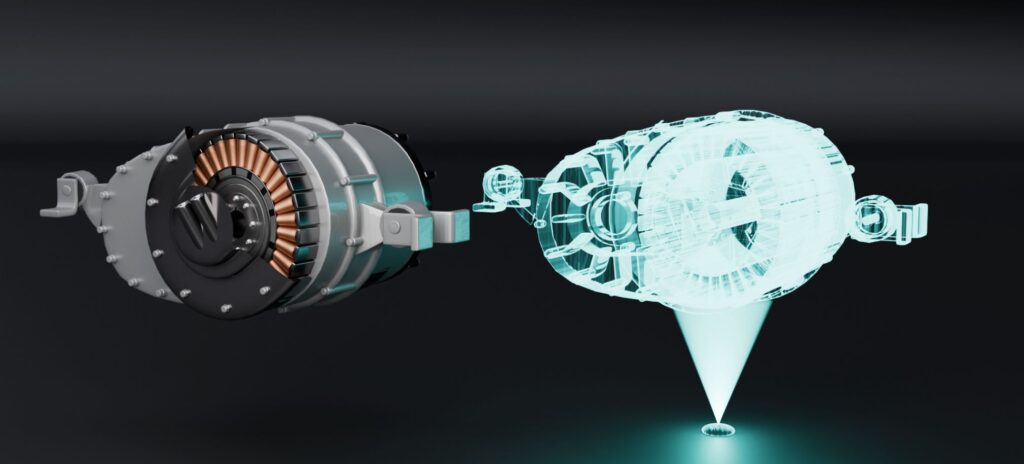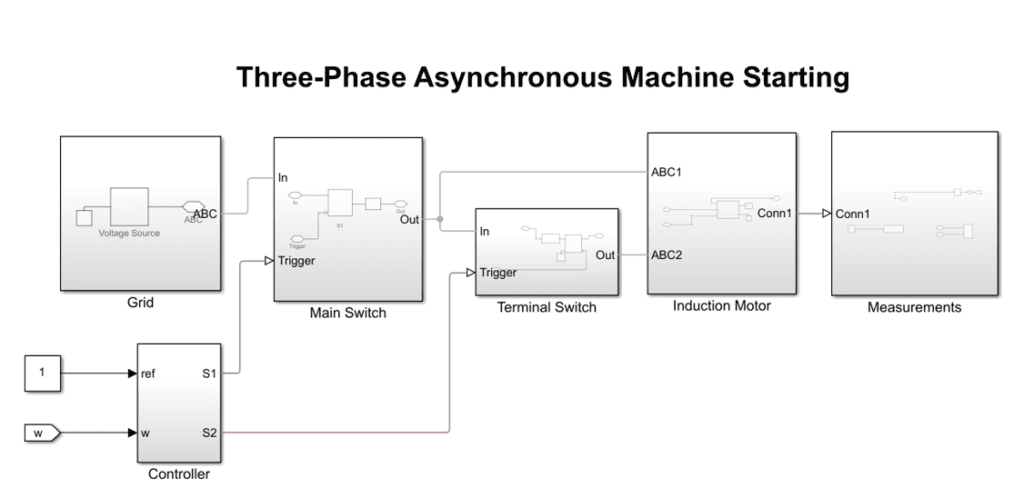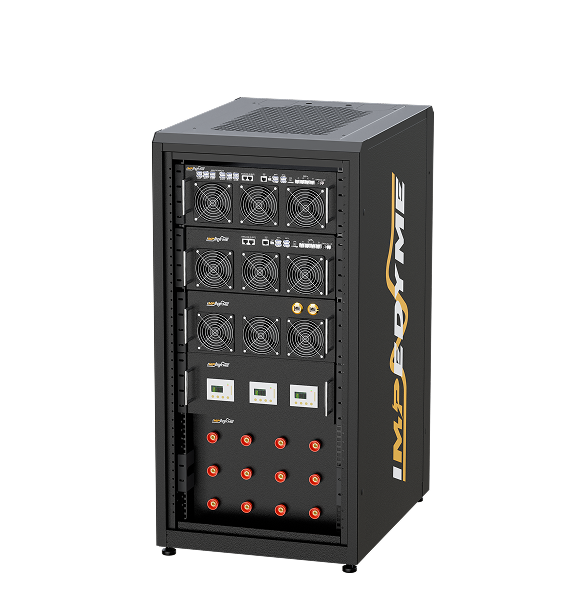

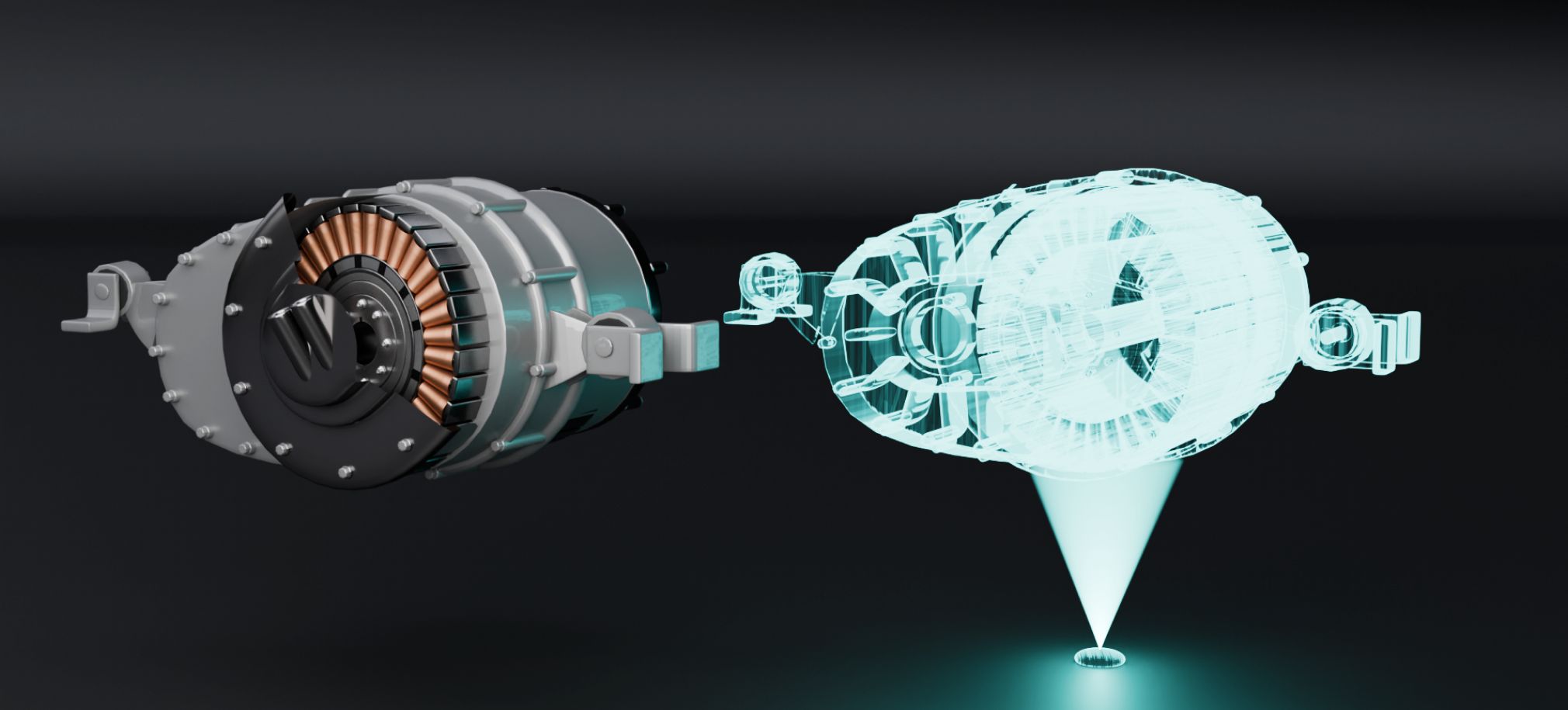
This project models a wye-delta starting circuit for an induction machine, a widely used method to reduce inrush current during startup. By initially connecting the machine in a wye configuration, the starting current is limited, and after acceleration, the circuit transitions to a delta connection for full-load operation. This simulation provides insights into the starting dynamics, transition timing, and performance impact of wye-delta starting on induction machines.
Wye-delta starting is a two-stage reduced voltage starting method used for large three-phase induction motors. It involves:
Die Simulation hat folgende Ziele:
By starting in the wye configuration, the motor experiences:
✔ Lower starting current (≈33% of direct-on-line starting).
✔ Reduced mechanical stress and torque pulsations.
➡️ HIL/PHIL-Vorteil: Enables real-time tuning of wye-delta transition timing for different load conditions.
The simulation supports:
✔ Manual, automatic, and time-delay-based transitions.
✔ Analysis of switching surges and transient effects.
➡️ HIL/PHIL-Vorteil: Provides real-time assessment of transition strategies to ensure smooth switching.
Different load scenarios are considered, including:
✔ No-load, light-load, and heavy-load starting conditions.
✔ Effect of transition timing on speed and torque fluctuations.
➡️ HIL/PHIL-Vorteil: Helps optimize switching logic for various industrial applications.
Simulations help optimize the design and control of Wye-Delta starting circuits for specific applications, ensuring efficient and reliable operation.
Durch frühzeitige Fehlererkennung reduzieren Simulationen Entwicklungs- und Testkosten.
Simulations accelerate the development process, enabling faster product launches.
Simulations ensure that Wye-Delta starting circuits meet industry standards and regulations for safety and performance.
Diese Simulation hilft bei der Bewertung von:
✔ Effectiveness of wye-delta starting in reducing inrush current.
✔ Transient behavior and stability during switching.
✔ Optimization of transition timing for smooth operation.
➡️ HIL/PHIL-Vorteil: Allows hardware-level validation before implementing in industrial systems.
✔ Lower Electrical Stress: Reduces voltage dip in the power system.
✔ Extended Motor Lifespan: Minimizes mechanical stress on bearings and windings.
✔ Energy-Efficient Startup: Avoids high inrush current peaks.
➡️ HIL/PHIL-Vorteil: Provides a controlled test environment to optimize startup efficiency.
Pumps and Compressors: Wye-Delta starting is commonly used in large pumps and compressors to reduce the starting current and mechanical stress on the motor and connected equipment.
Fans and Blowers: Induction motors driving large fans and blowers use Wye-Delta starting to minimize inrush current and ensure smooth startup.
Conveyor Systems: Conveyor belts and material handling systems often use Wye-Delta starting to reduce the initial torque and current, preventing mechanical shocks.
Air Handling Units: Large HVAC systems use Wye-Delta starting for induction motors in air handling units to reduce starting current and avoid voltage dips in the power supply.
Chillers and Cooling Towers: Induction motors in chillers and cooling towers benefit from Wye-Delta starting to ensure smooth and efficient operation during startup.
Water Pumps: Large water pumps used in water treatment plants and distribution systems often employ Wye-Delta starting to reduce starting current and mechanical stress.
Aeration Blowers: Induction motors driving aeration blowers in wastewater treatment plants use Wye-Delta starting to minimize inrush current and ensure reliable operation.
Crushers and Grinders: Induction motors in crushers and grinders use Wye-Delta starting to reduce the high starting torque and current, preventing damage to the motor and mechanical components.
Hoists and Conveyors: Mining equipment, such as hoists and conveyors, often use Wye-Delta starting to ensure smooth and controlled startup.
Pumping Stations: Induction motors in oil and gas pumping stations use Wye-Delta starting to reduce starting current and avoid voltage fluctuations in the power grid.
Compressors: Large compressors in gas processing plants use Wye-Delta starting to minimize inrush current and mechanical stress during startup.
Machine Tools: Induction motors in machine tools, such as lathes and milling machines, use Wye-Delta starting to reduce starting current and ensure smooth operation.
Injection Molding Machines: Large induction motors in injection molding machines use Wye-Delta starting to minimize inrush current and mechanical stress.
Shipboard Systems: Induction motors in shipboard systems, such as pumps and compressors, use Wye-Delta starting to reduce starting current and ensure reliable operation.
Offshore Platforms: Induction motors in offshore oil and gas platforms use Wye-Delta starting to minimize inrush current and avoid voltage dips in the power supply.
➡️ HIL/PHIL-Vorteil: Enables pre-deployment testing for these applications under real-world conditions.
Mit dieser Simulation können Anwender:
✔ Analyze startup performance and current reduction.
✔ Evaluate transition timing for optimal torque response.
✔ Compare different starting methods (DOL vs. wye-delta).
➡️ HIL/PHIL-Vorteil: Ensures seamless integration of wye-delta starting strategies into industrial applications.
Die Wye-Delta Starting Circuit Simulation provides a detailed framework for analyzing reduced-voltage motor starting methods. Die HIL- und PHIL-Lösungen von Impedyme verbessern den Entwicklungsprozess:
| Entwicklungsphase | Beitrag von Impedyme |
|---|---|
| Starting Performance Analysis | Real-time HIL validation of inrush current reduction |
| Transition Optimization | PHIL-based testing of switching delays and torque impact |
| Industrial Deployment | Hardware-level validation before field implementation |
✔ Integration of adaptive switching algorithms for dynamic load conditions.
✔ Implementation of soft-start techniques combined with wye-delta starting.
✔ Predictive maintenance strategies using machine learning for starter systems.
Die Wye-Delta Starting Circuit Simulation ist ein wichtiges Werkzeug für die Entwicklung von Windenergiesystemen der efficient motor startup strategiesMit den HIL/PHIL-Lösungen von Impedyme, engineers can optimize switching logic, minimize electrical stress, and ensure smooth induction motor operation bereits vor der realen Implementierung validieren.