
Impedyme Grid Tie Inverter Generator Solar Pannel

Application knowledgeGridMotorProduct knowledgeWebinars

Impedyme Grid Tie Inverter Generator Solar Pannel

Simulation of a Three-Phase Grid Tie Inverter Using Direct-Quadrature (DQ) Control

Introduction

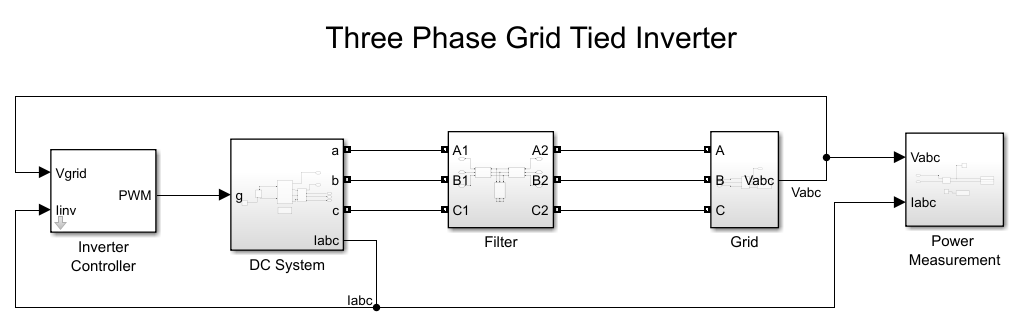
This project focuses on the modeling and simulation of a three-phase grid tie inverter using Direct-Quadrature (DQ) Synchronous Reference Frame Control. The system employs Sinusoidal Pulse Width Modulation (SPWM) for switching an IGBT-based inverter bridge, ensuring efficient and stable power injection into the grid. By implementing DQ control strategies, this simulation provides a robust framework for analyzing grid synchronization, power quality, and system stability.

impedyme three phase grid tied inverter

System Overview

What is a Grid-Tied Inverter with DQ Control?

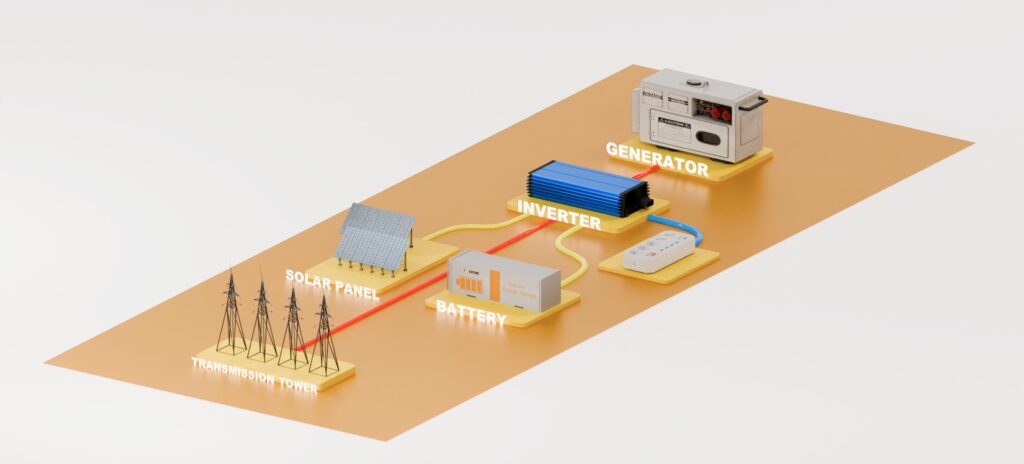
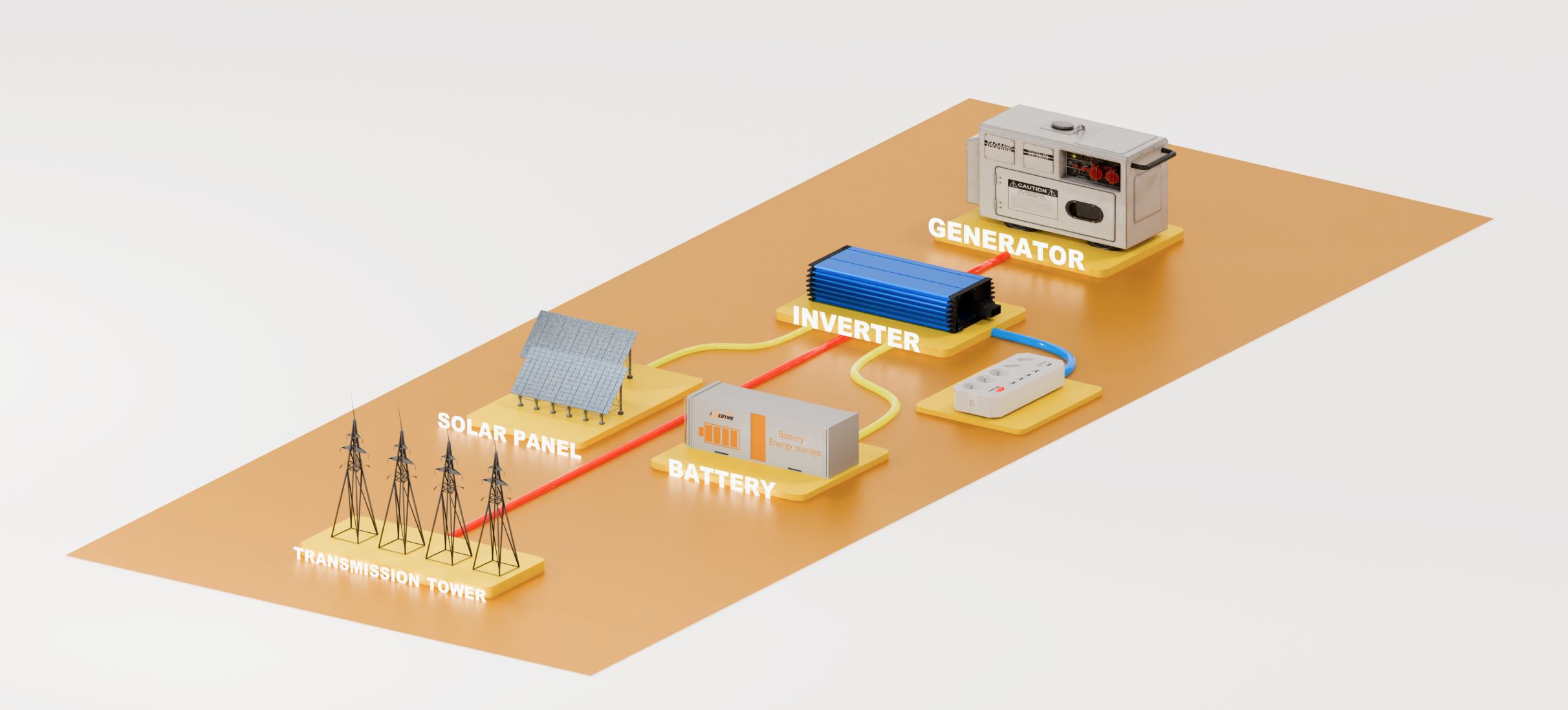
A grid tie inverter converts DC power (from a renewable energy source or energy storage system) into AC power that is synchronized with the electrical grid. The Direct-Quadrature (DQ) Control method simplifies the control of active and reactive power by transforming three-phase AC variables into a rotating reference frame.

Purpose of the Simulation

The simulation aims to:

  • Validate the performance of the grid tie inverter under various grid conditions.
  • Analyze the effectiveness of DQ-based current control for active/reactive power regulation.
  • Evaluate power quality metrics such as Total Harmonic Distortion (THD) and power factor correction.

Key Features

1. DQ Synchronous Reference Frame Control

The simulation utilizes DQ transformation to convert three-phase AC signals into DC-like DQ components. This approach enables efficient decoupled control of active and reactive power.
 HIL/PHIL Advantage: Ideal for testing real-time control strategies and simulating complex grid conditions.

2. Sinusoidal Pulse Width Modulation (SPWM)

SPWM ensures smooth and efficient switching of the IGBT-based inverter, resulting in low harmonic distortion and improved overall performance of the grid tie inverter.
 HIL/PHIL Advantage: Supports evaluation of various modulation techniques under real-time operating scenarios.

3. Phase-Locked Loop (PLL) for Grid Synchronization

The PLL system is crucial for maintaining phase and frequency alignment between the grid tie inverter and the utility grid. It enhances the stability of power injection during normal and disturbed grid states.
 HIL/PHIL Advantage: Allows validation of PLL behavior during voltage sags, frequency deviations, and grid faults.

4. Streamlined Control Architecture

The transformation of three-phase AC into DQ components simplifies the control loop design, making it more effective and easier to implement for real-time applications.

5. Grid Code Compliance and Adaptability

The control design ensures that the grid tie inverter meets voltage, frequency, and power factor standards defined by modern grid codes, supporting its deployment across a wide range of applications.

6. Enhanced Dynamic Response

The use of DQ control allows the system to respond rapidly to grid disturbances, ensuring continuous and stable operation even under fluctuating load or grid conditions.
 HIL/PHIL Advantage: Simulates real-time dynamic events to verify control robustness and recovery times.

Simulation Objectives

This simulation helps evaluate:

  • Grid-synchronization performance using PLL techniques.
  • Active and reactive power control capabilities using DQ control.
  • Power quality improvements with SPWM-based grid tie inverter switching.
    HIL/PHIL Benefit: Facilitates hardware-in-the-loop testing before grid integration.

Technical Description

System Configuration

  • Input: DC power source (e.g., renewable energy, battery storage).
  • Output: Three-phase AC power injected into the grid.
  • Power Stage: IGBT-based three-phase inverter with LC filter.

Control Methodology

  • DQ Transformation: Converts AC voltages and currents into DQ reference frame.
  • Current Control Loop: Regulates active (d-axis) and reactive (q-axis) current components.
  • Phase-Locked Loop (PLL): Ensures accurate grid synchronization.

HIL/PHIL Benefit: Enables real-time validation of grid tie inverter control strategies.


Advantages of DQ-Based Grid-Connected Inverter Control

  • Precise Power Regulation: Independent control of active and reactive power.
  • Improved Power Quality: Reduces harmonics and enhances grid stability.
  • Fast Dynamic Response: Adapts quickly to grid disturbances and load variations.
    HIL/PHIL Benefit: Provides a realistic testing platform for grid compliance verification.


Applications of Grid Tie Inverter with DQ Control

The simulation of a grid tie inverter using DQ control is applicable across a wide range of energy systems and industries. Below is a breakdown of key application areas:

Renewable Energy Systems

  • Solar PV Systems
    DQ-controlled grid tie inverters convert solar-generated DC power into grid-compatible AC. Simulations ensure optimal power injection and compliance with grid standards.
  • Wind Energy Systems
    Inverters manage power transfer between wind turbines and the grid. DQ control ensures stable performance even with fluctuating wind conditions.
  • Hybrid Renewable Installations
    In systems combining solar, wind, and storage, DQ control enables seamless energy conversion and coordinated grid integration.

Energy Storage Systems (ESS)

  • Battery-Based Inverters
    Used in charging and discharging operations, DQ-controlled grid tie inverters help maintain grid balance and optimize power flow.
  • Grid Ancillary Services
    Provide support functions such as frequency regulation, voltage control, and peak load management. Simulation enables verification under dynamic grid events.

Microgrids

  • Islanded Operation
    In standalone microgrids, inverters regulate voltage and frequency. DQ control ensures steady operation in the absence of a main grid.
  • Grid-Connected Operation
    Simulations help optimize the transition between islanded and grid-connected modes, improving flexibility and reliability.

Electric Vehicle (EV) Charging Infrastructure

  • Bidirectional Charging (V2G)
    EV chargers with DQ-controlled inverters enable energy exchange between vehicles and the grid. Simulations test the stability of these interactions.
  • Fast Charging Stations
    Ensure efficient AC/DC conversion and grid compatibility during high-load conditions.

Industrial Power Systems

  • Motor Drives
    DQ-controlled inverters provide precise speed and torque control in industrial applications, improving efficiency and response.
  • Uninterruptible Power Supplies (UPS)
    Inverters maintain uninterrupted power during grid failures. Simulations validate performance during voltage sags and outages.

Power Quality Improvement

  • Active Power Filters (APFs)
    Simulated inverters cancel out harmonics, improving waveform quality and reducing stress on grid equipment.
  • STATCOM Systems
    Provide reactive power compensation and voltage support using DQ-controlled inverters for fast response under grid fluctuations.

Aerospace and Defense

  • Aircraft Electrical Systems
    Grid-independent inverters regulate power distribution in aircraft. Simulations test operation under extreme and dynamic conditions.
  • Military Applications
    Rugged, DQ-based grid tie inverters ensure reliable power conversion and distribution in harsh field environments.

 Smart Grid and Distributed Energy

  • DER Integration
    DQ control enables precise synchronization and power injection from distributed sources like rooftop solar or wind turbines.
  • Demand Response and Load Management
    Simulations help utilities and operators fine-tune control strategies for load balancing and real-time grid support.

Simulation Benefits

With this simulation, users can:

  • Optimize grid tie inverter control strategies for grid compliance.
  • Analyze real-time grid interaction and power injection performance.
  • Evaluate harmonic content and power factor improvement.
    ➡️ HIL/PHIL Benefit: Ensures seamless transition from simulation to real-world deployment.

Summary

The Three-Phase Grid Tie Inverter Simulation with DQ Control provides a reliable environment for analyzing inverter performance in grid-connected systems. By combining SPWM, DQ transformation, and PLL synchronization, the simulation ensures precise power control, improved power quality, and fast dynamic response.

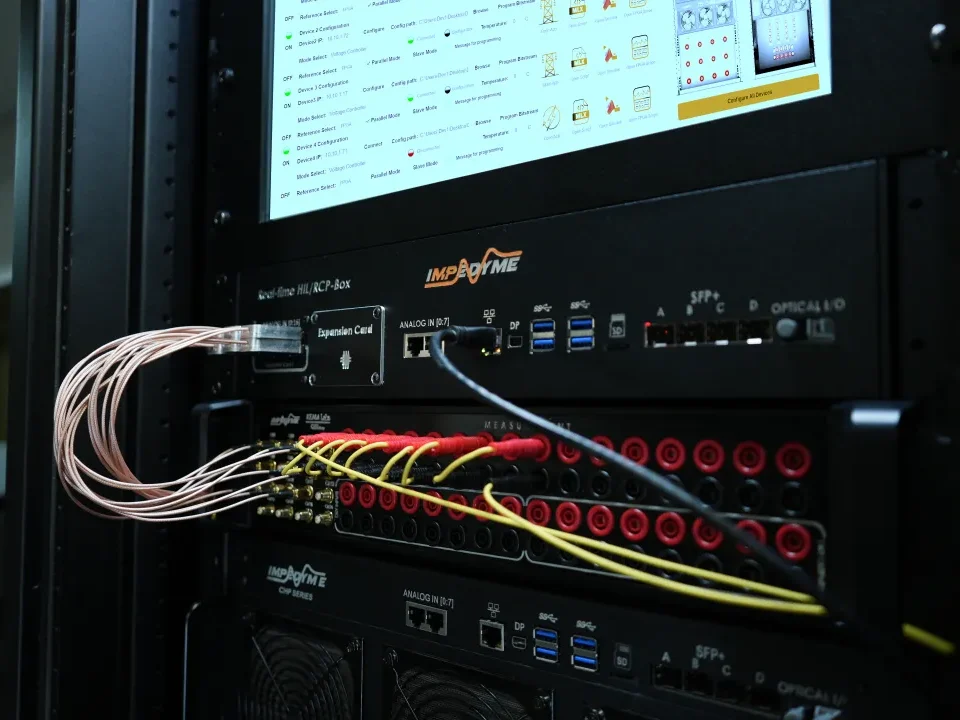
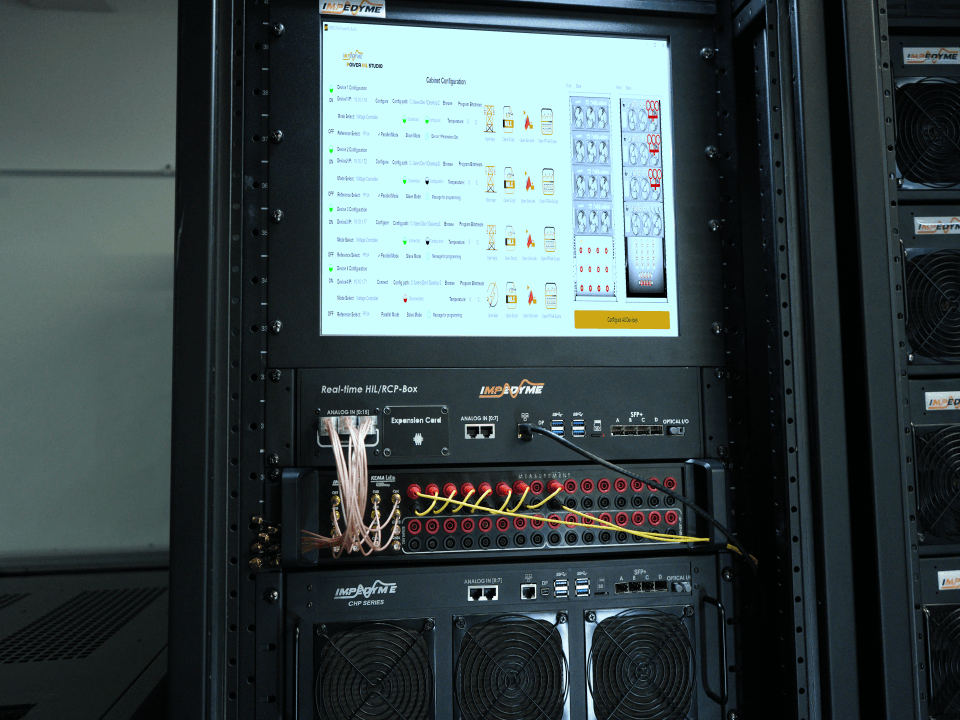
With Impedyme’s HIL/PHIL platforms, engineers can validate real-time performance, test grid compliance, and optimize inverter design—supporting applications from renewable energy to EV charging and microgrids.

Development StageImpedyme’s Contribution
Control DesignHIL for real-time algorithm validation
Grid Synchronization TestingPHIL for real grid interaction scenarios
Power Quality AssessmentTHD analysis with real-time control updates
Final ValidationFull-system PHIL under grid compliance conditions

Future Enhancements

Planned improvements for the grid tie inverter simulation include:

  • Fault-Tolerant Strategies to ensure reliable operation under disturbances
  • Support for SiC/GaN Devices to model high-efficiency, next-gen inverters
  • Cybersecurity Testing Capabilities for smart grid resilience
  • Multi-Inverter & Microgrid Simulation for complex network scenarios

The Three-Phase Grid Tie Inverter Simulation with DQ Control provides a comprehensive environment for developing, testing, and validating inverter systems. With Impedyme’s HIL/PHIL solutions, engineers can optimize efficiency, stability, and power quality, ensuring seamless grid integration of renewable energy sources.