
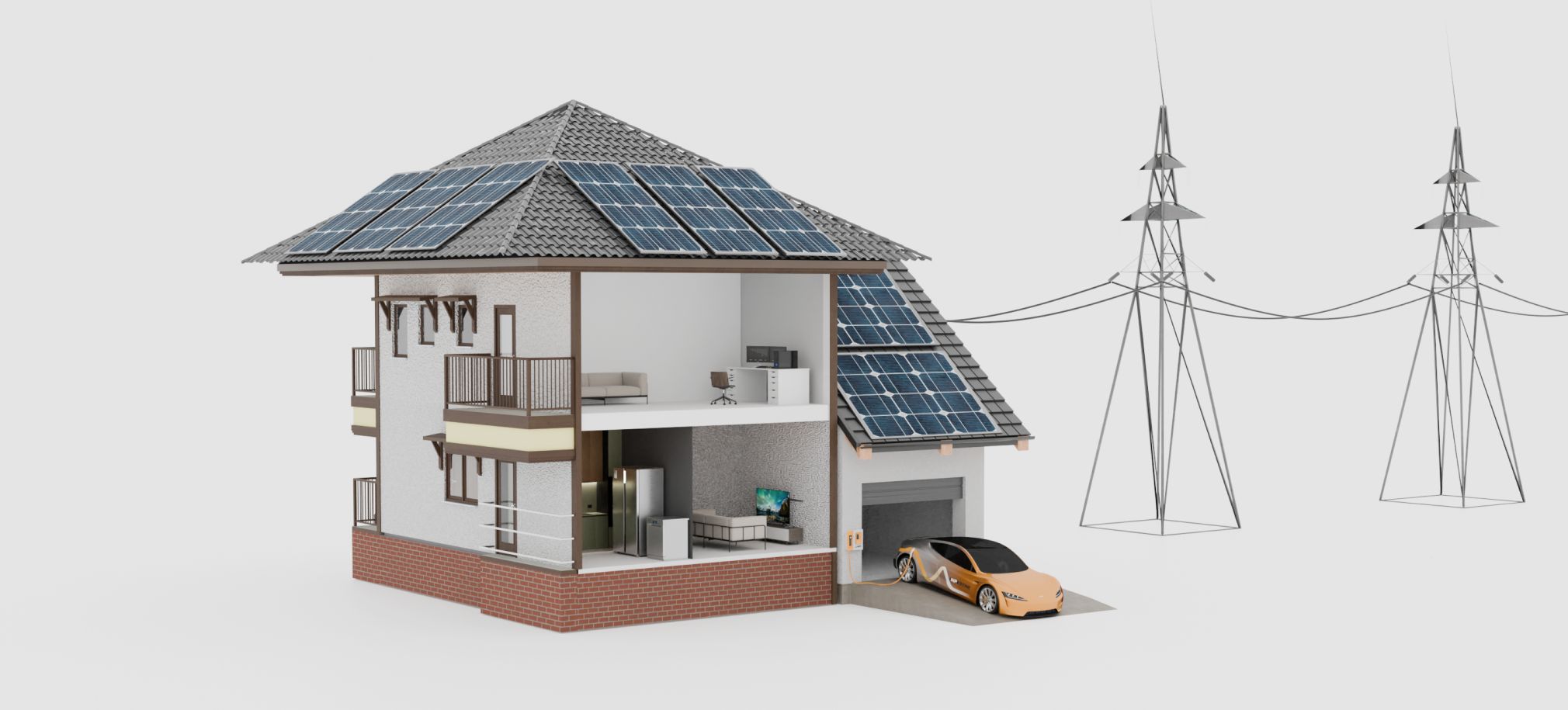
header grid tied inverter house solarpannel

基于 PI 电压控制的并网逆变器系统

引言

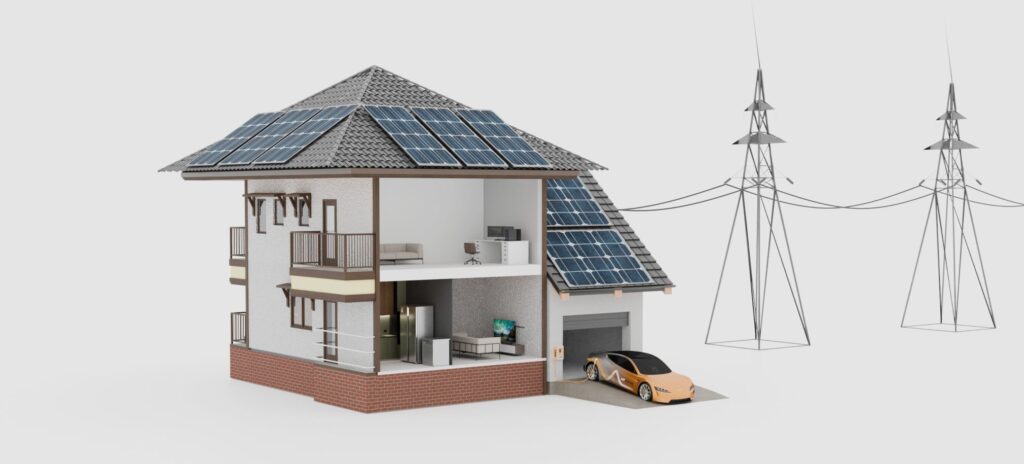
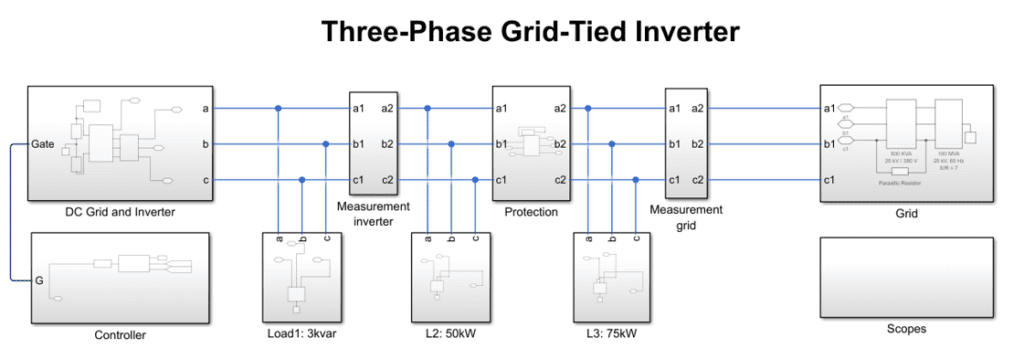
Grid tied inverter  are vital for integrating renewable energy sources into the power grid by converting DC power into synchronized AC power. Using a 器或电网仿真器, the simulation highlights voltage regulation and grid synchronization with a PI-based control strategy to maintain stable DC-link voltage and control active/reactive power. It ensures reliable, efficient operation for solar PV, wind energy, and distributed generation systems under varying grid conditions.

three-phase grid-tied inverter

系统概述

What is a Grid-Tied Inverter with PI-Based Voltage Control?

A grid tied inverter converts DC power from renewable sources into AC power synchronized with the grid, ensuring stable voltage regulation and optimized power injection. The PI-based voltage controller maintains DC-link stability, regulates output voltage, and ensures grid compliance with minimal harmonic distortion.

仿真的目的

本次仿真旨在:

  • Analyze voltage regulation techniques under varying grid conditions.
  • Evaluate power quality and synchronization performance.
  • Validate PI-based control strategies for grid stability and seamless energy transfer.


主要特性

PI-Based Voltage Regulation

The PI controller ensures precise DC-link voltage regulation, improving system stability.
➡️ HIL/PHIL 优势: Allows real-time voltage control testing under different grid conditions.

Grid Synchronization with Phase-Locked Loop (PLL)

The PLL-based synchronization maintains phase and frequency alignment with the grid.
➡️ HIL/PHIL 优势: Provides real-time validation of synchronization techniques.

Active and Reactive Power Control

The inverter enables controlled injection of active power while regulating reactive power to improve power factor.
➡️ HIL/PHIL 优势: Supports hardware testing for grid compliance and power optimization.

Dynamic Performance

PI control provides fast and accurate response to grid disturbances, enhancing system reliability.

Simple Implementation: PI control is easy to implement and tune, making it suitable for a wide range of applications.

Grid Compatibility: PI-based voltage control ensures compliance with grid codes and standards for voltage, frequency, and power quality.

仿真目标

本仿真用于评估:

  • Effectiveness of PI-based voltage regulation strategies.
  • Dynamic response of the inverter under grid disturbances.
  • Power quality, grid synchronization, and harmonic performance.
    ➡️ HIL/PHIL 优势: Enables real-world testing before hardware deployment.

技术说明

系统配置
  • 输入端: DC power from renewable energy sources or a controlled DC supply.
  • 输出端: Three-phase AC power synchronized with the grid.
  • 功率级: IGBT-based inverter bridge with Sinusoidal PWM (SPWM) or Space Vector PWM (SVPWM).
控制方法学
  • Outer Loop: PI controller for DC-link voltage regulation.
  • Inner Loop: PI-based current control in the d-q reference frame.
  • Synchronization: PLL ensures phase-matching with the grid.
    ➡️ HIL/PHIL 优势: Allows real-time tuning of control algorithms for grid compliance.

Advantages of Grid-Tied Inverters

  • Reliable Voltage Control: Ensures stable and consistent voltage output, enabling smooth power injection into the grid.
  • Enhanced Grid Compliance: Maintains low harmonic distortion and high power quality, meeting strict grid standards.
  • Optimized Power Factor: Enables effective reactive power compensation, improving overall grid stability and efficiency.
  • Improved System Stability: Rapid PI-based control responses help maintain operation during grid fluctuations and disturbances.


应用领域

 1. Renewable Energy Systems

Grid tied inverters are the backbone of solar PV and wind power installations. They convert variable DC power from renewable sources into grid-compatible AC, ensuring efficient power transfer and compliance with grid standards. The PI control ensures stable voltage regulation even during irradiance or wind speed fluctuations.

 2. Battery Energy Storage Systems (BESS)

In energy storage applications, grid tied inverters manage charging and discharging cycles, support peak shaving, and provide fast frequency response. The integrated PI controllers enable accurate power flow control and voltage regulation, enhancing overall energy management and grid stability.

 3. Microgrid and Hybrid Systems

Grid tied inverters play a crucial role in both grid-connected and islanded microgrid operations. They manage voltage and frequency within isolated systems and enable smooth transition between connected and islanded modes. PI-based voltage control supports stable operation during load changes or grid faults.

 4. Electric Vehicle (EV) Infrastructure

In EV fast-charging stations and 车网互动(V2G) systems, grid-tied inverters facilitate bidirectional power flow, enabling EVs to act as energy storage devices. They ensure fast response to load demand changes while maintaining synchronization and grid compliance under varying charging conditions.

 5. Industrial and Commercial Power Systems

Industries rely on grid tied inverters for motor drives, variable-speed systems, and uninterruptible power supplies (UPS). With PI-based voltage and current control, these systems provide stable and efficient power delivery, reduce downtime, and maintain power quality during voltage dips or interruptions.

 6. Power Quality and Grid Support

As active power filters or STATCOMs, grid tied inverters mitigate harmonics, compensate for reactive power, and support voltage regulation. Their fast dynamic response makes them ideal for stabilizing weak grids or maintaining power quality in high-load environments.

 7. Smart Grid and Distributed Energy Resources (DER)

In smart grid environments, grid tied inverters facilitate the integration of DERs such as rooftop solar, wind microturbines, and home storage systems. They enable real-time monitoring, load balancing, and demand response through precise voltage and frequency control strategies.

 8. Aerospace and Defense Power Systems

In mission-critical applications, such as aerospace systems and mobile defense power units, grid tied inverters provide reliable energy conversion and regulation in compact, rugged designs. PI control ensures consistent performance under rapidly changing electrical and environmental conditions.

仿真带来的优势

通过本仿真,用户可以:

  • Analyze voltage stability and power injection performance.
  • Optimize PI control strategies for seamless grid integration.
  • Evaluate real-time synchronization and grid interaction.
    ➡️ HIL/PHIL Benefit: Ensures seamless transition from simulation to hardware implementation.

总结

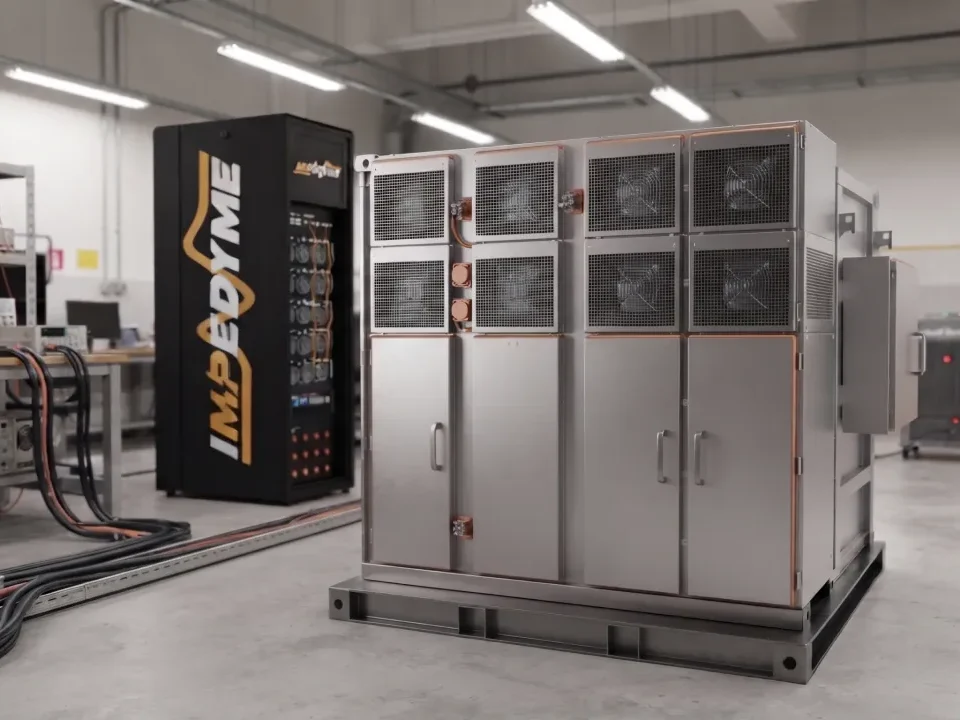
系统 Grid Tied Inverter System with PI-Based Voltage Control Simulation offers a detailed framework for studying voltage regulation, grid synchronization, and power quality improvement. Impedyme 的 HIL 与 PHIL solutions enhance the development process by providing real-time testing and validation.

开发阶段Impedyme 的贡献
Voltage Control DesignHIL-based real-time tuning of PI controllers
电网同步测试通过 PHIL 平台实现真实电网交互
Harmonic AnalysisCompliance testing for IEEE grid standards
Load Transient EvaluationReal-time performance validation

未来提升方向

  • 引入自适应控制以增强电压稳定性
  • Development of AI-based grid synchronization techniques.
  • Simulation of advanced inverter topologies (e.g., multi-level and hybrid inverters).


The Grid Tied Inverter System with PI-Based Voltage Control Simulation provides a comprehensive platform for optimizing voltage regulation, grid synchronization, and power quality. With Impedyme’s HIL/PHIL solutions, engineers can enhance efficiency, stability, and grid compliance, ensuring seamless renewable energy integration into modern power systems.